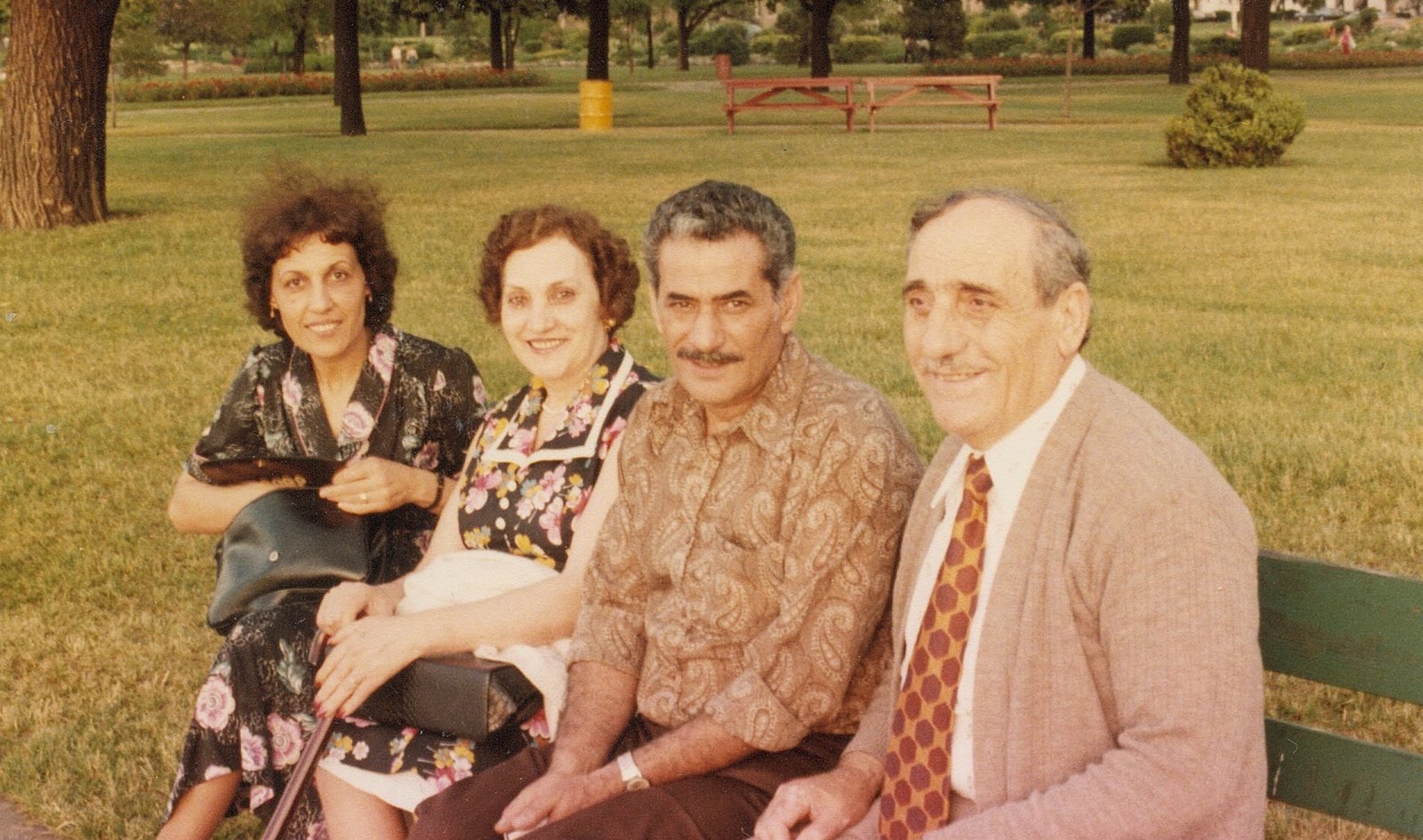
As a child of immigrants, I grew up between two worlds. At home, I was Badia, named after my grandmother, rooted in my family’s heritage. Outside, I was Betty, an English name my parents gave me to help me fit into Canadian culture, navigate school more easily, and feel a greater sense of belonging.
At the time, it probably felt like a practical decision. Looking back, I wonder if that was the start of separating parts of who I was.
I was raised in a family that deeply valued hard work, practicality, and achievement. Those values gave me a strong foundation, but there wasn’t much room for creativity, big emotions, or whimsy. I learned to adapt, and that adaptation served me well. It helped me succeed, navigate different environments, and feel safe. But over time, I also learned to tuck parts of myself away, believing success meant becoming less of who I naturally was.
Years later, I discovered that the very parts I’d hidden were my greatest strengths. My creativity, sensitivity, and imagination are the foundation of how I work and connect with others.
I eventually learned that it was never about choosing one identity over the other. It was consciously embracing all of who I am: the artist and the strategist, the dreamer and the achiever, the woman shaped by two cultures, carrying a whole identity.
This is how House of Badia was born.
‘House’ represents the spaces my artwork becomes part of, and the feeling that transforms that space into something deeply personal.
‘Badia’ is a tribute to my grandmother, my heritage, and the name that has always been mine.
House of Badia is more than a name. It’s a celebration of identity, belonging, and the courage to embrace every part of ourselves. I hope every piece carries that same spirit into the places where it lives.
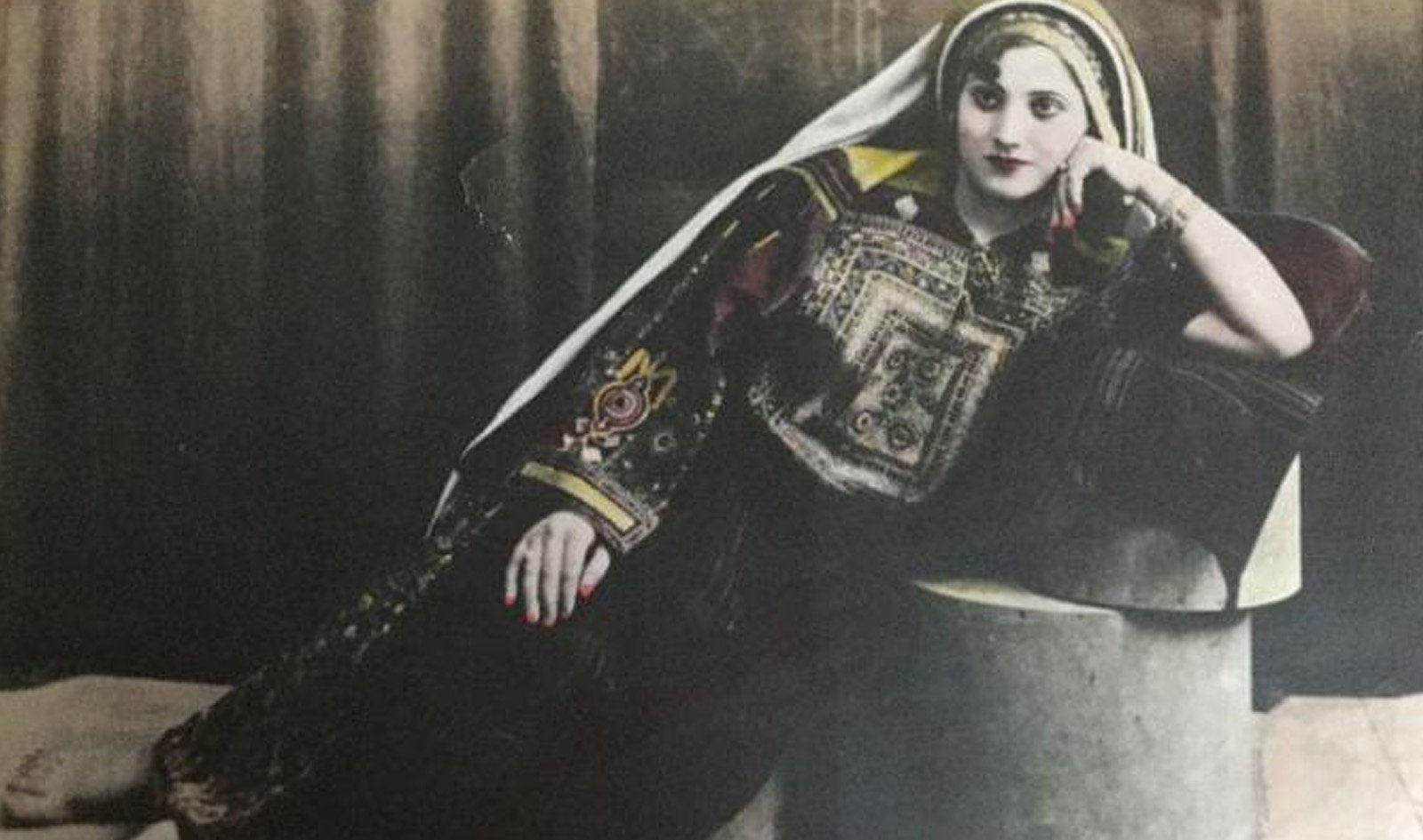
Teta Badia
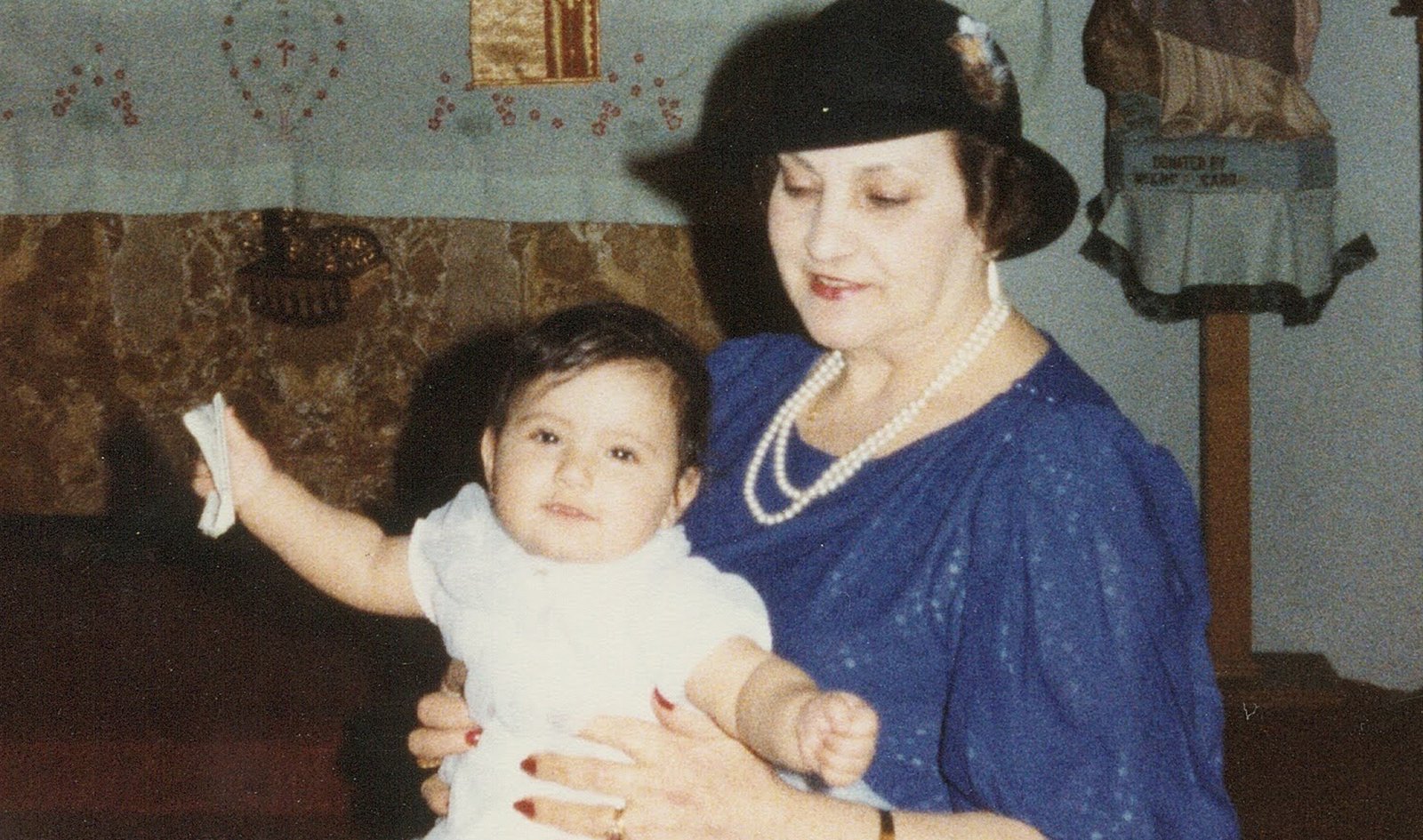
Me and Teta Badia